Charles Anthony Vandross: Full Biography, Family, and Legacy
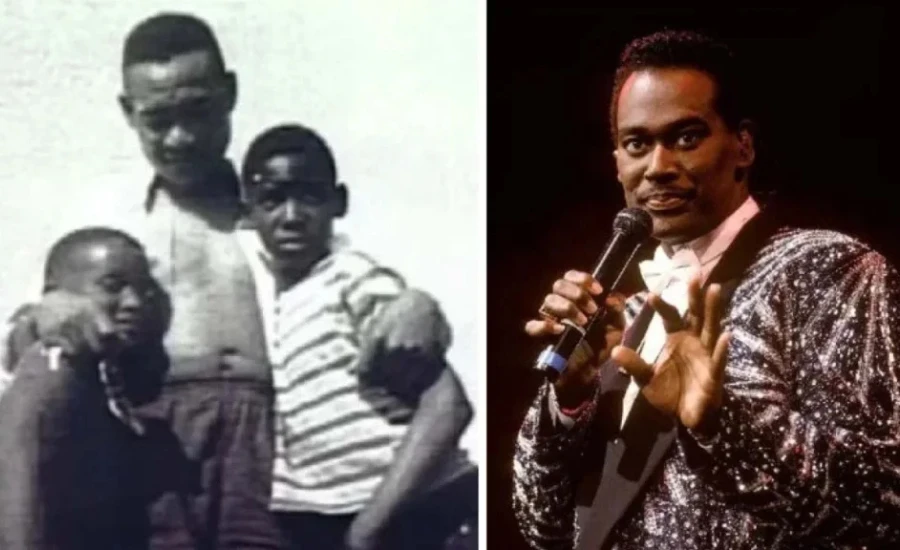
Charles Anthony Vandross is the older brother of one of the greatest voices in R&B history — Luther Vandross. He was born four years before Luther and grew up in the same Manhattan household where music was a daily part of life.
Charles never pursued fame. He never tried to build a career on his brother’s name. He lived privately, worked steadily, and served as the quiet anchor of a family that faced loss early and often.
His story is not one of stadiums and Grammy Awards. It is one of loyalty, family strength, and the kind of support that shapes greatness without ever being seen. This article covers everything known about Charles Anthony Vandross — his upbringing, his family, his role in Luther’s early life, and where his story fits in the broader Vandross legacy.
Quick Bio Facts
| Detail | Information |
|---|---|
| Full Name | Charles Anthony Vandross |
| Date of Birth | February 7, 1947 |
| Birthplace | Manhattan, New York City, USA |
| Age (2026) | 79 years old |
| Nationality | American |
| Father | Luther Vandross Sr. (upholsterer, died 1959) |
| Mother | Mary Ida Vandross (née Shields, nurse and evangelist) |
| Siblings | Patricia Marie Vandross, Ann D. Vandross Sanders, Luther Vandross Jr. (younger brother) |
| Birth Order | Eldest child |
| Occupation | Private — traditional working career (details not public) |
| Known For | Being the older brother of Luther Vandross |
| Marital Status | Not publicly confirmed |
| Children | Not publicly disclosed |
Early Life and Family Background
Charles Anthony Vandross was born on February 7, 1947, in Manhattan, New York City. He was the firstborn child of Luther Vandross Sr. and Mary Ida Vandross, née Shields.
He grew up during the late 1940s and 1950s in a part of New York City where African American culture, gospel music, and community life were deeply connected. The neighborhood was alive with jazz, soul, doo-wop, and church hymns. That environment shaped every child in the Vandross household.
His father, Luther Vandross Sr., worked as an upholsterer. He had a love for music and passed that appreciation on to his children through everyday life in the home. His mother, Mary Ida, worked as a practical nurse and kept the household grounded in faith and structure.
Charles grew up alongside three siblings — his sisters Patricia Marie and Ann D. Vandross Sanders, and his youngest sibling, Luther Ronzoni Vandross Jr., who was born on April 20, 1951, four years after Charles.
The Loss of Their Father
In 1959, the Vandross family suffered a major blow. Luther Vandross Sr. died from complications related to diabetes. He was 39 years old. At the time, Luther Jr. was just eight years old. Charles was twelve.
The death of their father changed the family’s structure immediately. Mary Ida took on full responsibility for raising four children alone. She continued working as a nurse and leaned heavily on her faith to carry the family through.
Charles, as the eldest son, stepped naturally into a supporting role. He was not yet a teenager, but he began to take on the responsibilities that came with being the oldest child in a single-parent household. That shift in responsibility defined much of who he became.
The Vandross Home and Music
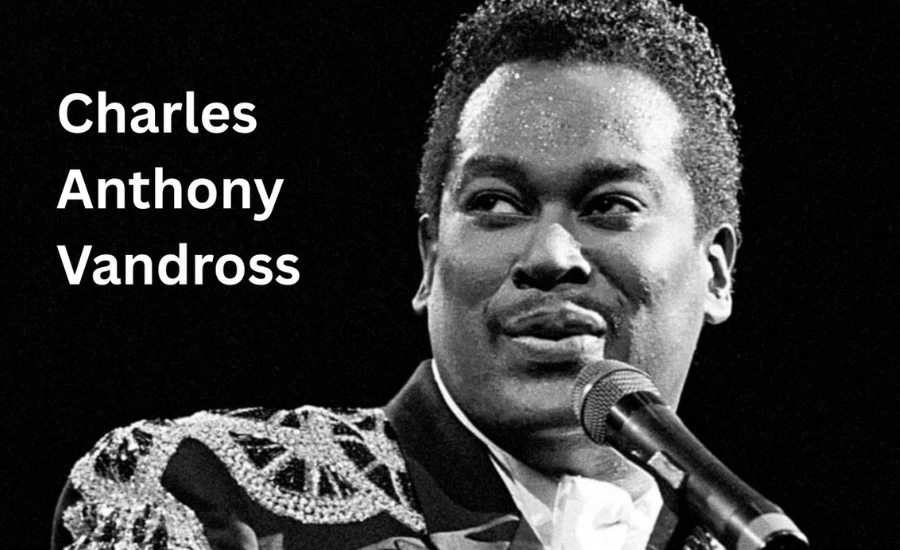
The Vandross household was filled with music from the start. Mary Ida made sure gospel, soul, and doo-wop were present in the home even through the hard years after her husband’s death.
The eldest sister, Patricia, was musically gifted and became a member of a doo-wop group called The Crests. The group had a notable hit in 1958 with the song “Sixteen Candles.” Patricia’s involvement in music had a direct influence on young Luther, who watched his older sister perform and fell deeply in love with what music could do.
Charles grew up in this same environment. While he was not drawn to performing the way Patricia and Luther were, he absorbed the culture of music, discipline, and emotional expression that ran through the family. He understood what music meant to the people around him, and he respected it.
His role was not to perform — it was to hold things together so that others could.
Charles as the Family Anchor
After their father’s passing, Charles took on the quiet role of family stabilizer. He kept a steady head and provided emotional support to his younger siblings, particularly Luther, who was the youngest and most emotionally sensitive of the four children.
Luther has spoken in interviews about the losses he experienced growing up — not just the loss of his father, but the weight of growing up without that masculine anchor in the home. Charles filled part of that gap without making it a public declaration. He was simply present, reliable, and consistent.
Those qualities meant more to the family than any public achievement could have. Luther’s eventual success was built on a foundation of talent, yes — but also on the stability his family provided during his most formative years. Charles was a central part of that foundation.
Relationship With Luther Vandross
The bond between Charles and Luther was shaped by shared grief, shared music, and a mutual respect that lasted throughout Luther’s life.
As Luther began to show extraordinary musical talent in school talent shows and community events, Charles never competed with him or stood in his way. He gave his younger brother space to grow and consistently encouraged him without inserting himself into the spotlight.
Luther Vandross went on to have one of the most celebrated careers in R&B history. He sold over 35 million records worldwide, won four Grammy Awards, and produced music for legends including Whitney Houston, Aretha Franklin, and Dionne Warwick. Through all of that, Charles remained in the background — a private figure connected to a very public legend.
People who knew the family have described Charles as humble and grounded. He never tried to use Luther’s name for personal benefit. He never gave interviews capitalizing on his brother’s fame. He simply lived his own life and let Luther live his.
Luther’s Emotional Losses
One important detail about the Vandross family is the string of losses that Luther experienced throughout his life. IMDb’s official biography notes that Luther was the youngest of four siblings — and also the last one to die. His siblings preceded him in death, and his mother outlived most of her children.
This means Charles Anthony Vandross died before Luther, who himself passed away in 2005. The exact date and circumstances of Charles’s death have not been made public. But the record is clear that Luther carried the grief of losing his siblings before his own health declined.
Those personal losses almost certainly shaped the emotional depth of Luther’s music. Songs like “Dance With My Father,” which he wrote as a tribute to their late father, reflect a man who understood grief intimately — not just the loss of one person, but the accumulated losses of a family over many decades.
Career and Private Life
Charles Anthony Vandross did not work in entertainment. He chose a traditional career path that allowed him to support himself and his family with stability and dignity.
The specific nature of his professional work has never been disclosed publicly. Accounts from family members and people who knew the Vandross family describe him as a hardworking and principled man who took quiet pride in his responsibilities.
He was not a person who needed public recognition to feel successful. His sense of purpose came from within his family and community — not from any external measure of fame or status.
The Vandross Siblings: A Family Overview
To fully understand Charles’s place in the family, it helps to see the wider Vandross sibling picture.
Patricia Marie Vandross
Patricia was the eldest daughter and an early musical influence on Luther. Her involvement with The Crests and their 1958 hit “Sixteen Candles” helped ignite Luther’s passion for music as a young child. She was a direct bridge between the family’s love of music and Luther’s professional pursuit of it.
Ann D. Vandross Sanders
Ann was another sister in the family. Like Charles, she lived privately. Very little has been written publicly about her life, which reflects the overall Vandross family preference for keeping personal matters out of the media.
Luther Vandross Jr.
Luther was the youngest child, born in 1951. He grew up in the same Manhattan household surrounded by music, loss, and family love. He began writing music in high school, went on to become one of the defining voices of R&B in the 1980s and 1990s, and built a career that touched millions of people worldwide.
Luther suffered a severe stroke in April 2003 that left him unable to speak or walk for a period. He spent nearly two years recovering before passing away on July 1, 2005, at John F. Kennedy Medical Center in Edison, New Jersey. He was 54 years old. His funeral was held at Riverside Church in New York City on July 8, 2005.
Mary Ida Vandross: The Mother Who Held It All Together
No account of Charles Anthony Vandross is complete without acknowledging the role their mother played in all of their lives.
Mary Ida Vandross worked as a practical nurse and later became an evangelist. She raised four children alone after losing her husband in 1959. She kept music in the home when it would have been easier to let it go. She supported Luther’s career even when the path was uncertain. After Luther’s 2003 stroke left him unable to participate publicly, Mary Ida actively promoted his final album, “Dance With My Father,” helping it win four Grammy Awards at the 2004 ceremony.
She outlived most of her children. Mary Ida Vandross passed away in 2008, three years after Luther. Her strength and faith were the backbone of everything the Vandross family became.
Legacy
Charles Anthony Vandross is 79 years old in 2026. He has lived his entire adult life outside of public attention, and there is no indication that will change.
His legacy is a quiet one, but it is real. He was the eldest child in a family that produced one of music’s most beloved artists. He stepped up when his father died and his family needed stability. He let his younger brother shine without competition or jealousy. He built a life of his own on principles rather than publicity.
In a world that measures worth by fame and visibility, Charles represents a different kind of value — one built on loyalty, family duty, and the courage to live a meaningful life without anyone watching.
You may also like Bettye Bohannon
FAQ
1. Who is Charles Anthony Vandross? He is the eldest sibling of legendary R&B singer Luther Vandross. Born in 1947, he grew up in the same Manhattan household that shaped Luther’s musical development.
2. When was Charles Anthony Vandross born? He was born on February 7, 1947, in Manhattan, New York City.
3. How old is Charles Anthony Vandross? He is 79 years old as of 2026.
4. What did Charles Anthony Vandross do for a living? He pursued a traditional working career away from the entertainment industry. The specific details of his profession have never been made public.
5. Did Charles Anthony Vandross have a music career? No. He did not pursue music professionally. He supported his family from behind the scenes while his sister Patricia and later his brother Luther pursued performing careers.
6. How many siblings did Luther Vandross have? Luther had three older siblings — Charles Anthony Vandross, Patricia Marie Vandross, and Ann D. Vandross Sanders. Luther was the youngest of the four.
7. When did Luther Vandross die? Luther Vandross died on July 1, 2005, at the age of 54, from complications of a stroke he had suffered in April 2003.
8. What happened to the Vandross family after their father died? Luther Vandross Sr. died in 1959 from diabetes, leaving Mary Ida to raise four children alone. Charles, as the eldest, took on an informal leadership role within the family to help support his siblings.
9. Did Charles Anthony Vandross die before Luther? Yes. IMDb’s official biography of Luther Vandross states that he was the youngest of four siblings and the last one to die, meaning all three of his older siblings, including Charles, passed away before him.
10. What was Luther Vandross’s most personal song? “Dance With My Father,” released in 2003, was written as a tribute to their late father, Luther Vandross Sr. It won the Grammy Award for Song of the Year in 2004 and is considered his most deeply personal work.
11. What role did Mary Ida Vandross play in Luther’s career? She kept music central to the family home after her husband’s death. After Luther’s 2003 stroke, she actively promoted his final album, helping it reach Grammy success when Luther himself could not appear publicly.
12. Is Charles Anthony Vandross active on social media? No. He has no known public social media presence and has maintained a private life consistent with how he has lived throughout his adulthood.