Abradore: It’s a Misspelling of Labrador. Most Sources Say So Honestly.
This one has a real answer. Unlike Caricatronchi (misidentified forestry equipment), Studiae (grammatically non-standard Latin), and Rowdy Oxford Integris (six contradictory invented identities), “Abradore” has a simple, well-documented explanation — and the better sources provide it plainly.
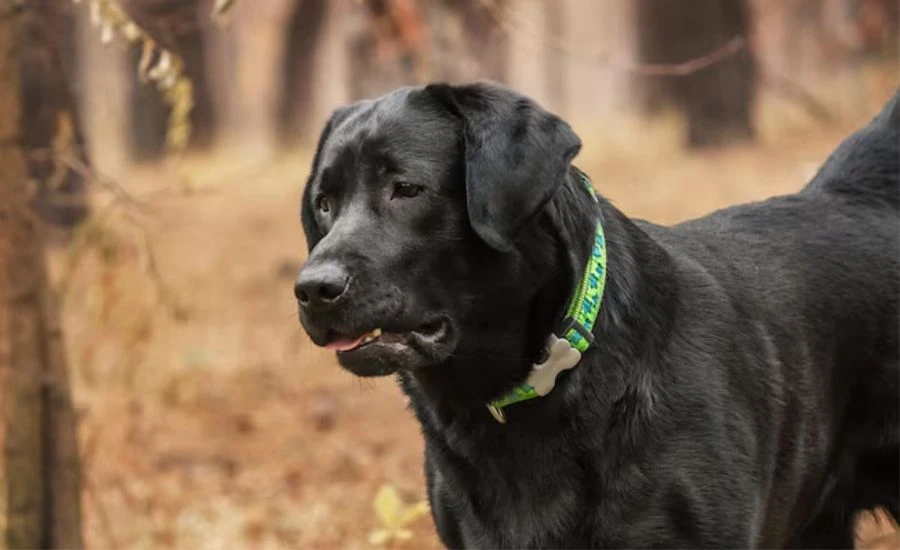
“Abradore” is a phonetic misspelling of “Labrador.” As in the Labrador Retriever, the dog breed. When people hear the word “Labrador” spoken aloud, particularly in certain accents or without careful spelling, it can produce transcriptions like “Labradore,” “abradore,” or similar variants. Search engines record and index these variations. Over time, the variant becomes its own search term. People then search for it directly.
ElightWave.co.uk states this directly in its opening paragraph: “The term abradore does not represent a formally recognized breed name. Instead, it is widely understood as a misspelling or phonetic variation of ‘Labrador.'” EarlyNews.co.uk agrees: “abradore is closely tied to the Labrador Retriever… Even when the spelling changes, the intended meaning remains intact.” The Preston Magazine says: “If someone types fast or hears the word ‘Labrador’ and writes it slightly wrong, it can turn into ‘abradore.’ Over time, more people start using it, and suddenly it looks like a real thing.”
These sources are right. The explanation is correct. No new breed exists. The Labrador Retriever is the actual subject of every search for “abradore.”
Then there is PopularHub.co.uk, which says: “Abradore is a distinctive and modern keyword that reflects innovation, creativity, and strong branding potential for digital platforms, businesses, and online communities.”
A Labrador misspelling is not a branding opportunity. But here we are.
Quick Reference — What “Abradore” Actually Is
| Question | Answer |
|---|---|
| Is “abradore” a real word? | Not as a formally defined term in any dictionary |
| Is it a recognized dog breed? | No — not registered or defined by any kennel club |
| What does it usually mean? | A phonetic/spelling variation of “Labrador Retriever” |
| Where does the misspelling come from? | Phonetic transcription of a heard word; fast or imperfect typing; regional accent variation |
| Who coined it? | Nobody — it emerged organically from search query patterns |
| Is “Abrador” the same thing? | Yes — another common variant of the same misspelling |
| Is it related to the Latin verb “abrade”? | No — despite the superficial resemblance, “abrade” comes from Latin “ab + radere” (to scrape away) and has nothing to do with Labrador dogs |
| Is there an “Abradore” breed standard? | No kennel club, breed registry, or formal organization defines one |
| Correct name for the actual breed | Labrador Retriever |
| Origin of the breed name | Labrador Peninsula, eastern Canada — named for Portuguese explorer João Fernandes Lavrador |
How “Labrador” Becomes “Abradore” — The Linguistic Path
This is genuinely interesting and worth explaining properly, because the phonetic transformation is not random.
“Labrador” has four syllables: Lab-ra-dor. In spoken language, particularly when the word is heard rather than read, the initial “L” can be softened or dropped in rapid speech. The middle syllables “ra-dor” can shift to “a-dore” through a common pattern where the unstressed “a” vowel in the middle absorbs the preceding consonant. The final “or” becomes “ore” — a predictable shift, since English speakers frequently add a silent “e” to words ending in vowel-consonant patterns.
The result: “Labrador” → heard as “Labradore” → written without initial “L” → “abradore.”
This is not sloppy thinking. It is how spoken language, especially proper nouns heard without prior written exposure, gets transcribed by people working from memory or voice input. Merriam-Webster’s entry on the related verb “to abrade” — which genuinely does mean “to rub or wear away by friction” and comes from Latin “ab” + “radere” (to scrape) — appears in searches for “abradore” because of spelling proximity. But this is coincidence, not connection. The Latin “abradere” and the Canadian place name “Labrador” have no etymological relationship.
The Actual Labrador Retriever — What People Searching “Abradore” Usually Want
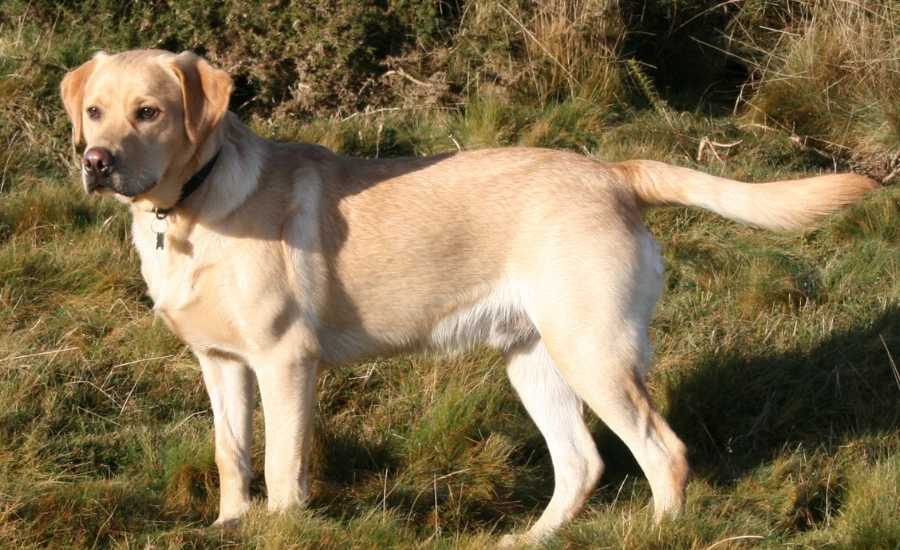
The Labrador Retriever is one of the most consistently popular dog breeds in the United States and United Kingdom. The breed’s origins lie in Newfoundland, not in Labrador — the historical confusion between these two Canadian regions is documented.
In the early nineteenth century, English traders and nobles visiting Newfoundland encountered the “St. John’s Water Dog” — a compact, short-coated, water-loving working dog used by fishermen to retrieve nets, lines, and fish from cold North Atlantic waters. The Third Earl of Malmesbury began importing these dogs to England around 1830. The Fourth Earl and the Fifth Duke of Buccleuch’s son developed the breed through selective breeding in the 1880s.
The name “Labrador” was applied by English importers, apparently because the dogs came from the general region of eastern Canada — though Labrador and Newfoundland are distinct places. The name stuck. The Kennel Club (UK) officially recognized the Labrador Retriever as a breed in 1903.
The Labrador Peninsula’s own name derives from João Fernandes Lavrador, a Portuguese explorer from the Azores who mapped the coastline around 1498–1501. “Lavrador” means “landholder” or “farmer” in Portuguese. From Lavrador came “Labrador” in the anglicized form.
So the full etymology: Lavrador (Portuguese, meaning farmer) → Labrador (anglicized place name) → “Labrador dog” (English breed reference) → Labrador Retriever (formal breed name) → “abradore” (phonetic misspelling in digital searches).
None of this is obscure. It is documented history, available in the Kennel Club records and any credible breed history.
The Two Legitimate Meanings of “Abradore” in Context
Most of the honest sources agree: “abradore” covers two slightly different uses in informal online contexts.
Use One — Misspelling of Labrador Retriever Someone searching for information about the purebred Labrador Retriever misspells the breed name. They find the same information either way. The search engine understands the query; the content about Labradors appears; the person gets what they were looking for. This is the most common use.
Use Two — Informal term for Labrador-mix or Labrador-type dogs Some people use “abradore” loosely to describe any dog that is Labrador-like or Labrador-mixed — a Labrador crossed with a Golden Retriever (Goldador), or a Labrador crossed with a Poodle (Labradoodle), or simply a dog with obvious Labrador traits in its appearance or temperament. This use is informal, undocumented by any breed standard, and inconsistent — different people use it differently for different mixes.
The Preston Magazine puts it well: “Some use it when they mean a Labrador but spell it differently. Others use it to talk about a mixed dog that has Labrador traits. This is why the meaning can feel confusing.”
Neither use invents a new breed. Neither invents a new concept. Both point back, with varying precision, to the same real animal: the Labrador Retriever and its derivatives.
The PopularHub Pivot — Branding Potential for Digital Platforms
PopularHub.co.uk’s article contains one of the most dissonant single sentences in this article series: “Abradore is a distinctive and modern keyword that reflects innovation, creativity, and strong branding potential for digital platforms, businesses, and online communities.”
This sentence appears in the middle of an article that otherwise correctly identifies “abradore” as a variant of “Labrador.” The surrounding content discusses dog breeds, hybrid classifications, and Labrador traits. Then suddenly: “strong branding potential for digital platforms.”
This is the content farm’s fundamental instinct exposed raw: when a term generates search traffic, reframe it as a business opportunity. It does not matter that the term is a misspelling of a dog breed. Traffic is traffic. “Distinctive and modern keyword” sounds like it belongs in a pitch deck for a startup, not an explanation of why people search for golden retrievers with the L dropped.
The sentence was clearly generated by a system that did not distinguish between the “abradore as Labrador misspelling” context and the broader “unusual word with SEO potential” framing it had been primed to produce. The result is a sentence that is technically not false — any word is potentially a branding keyword for someone — but is entirely disconnected from what the word actually means and why people are searching for it.
The Latin Coincidence — “Abrade” vs. “Abradore”
Merriam-Webster and Collins English Dictionary both appear in searches for “abradore” because the English verb “abrade” begins with the same letters.
To abrade means to scrape or wear away by friction — “ropes abraded by the rocks.” The word comes from classical Latin: “ab” (away from) + “radere” (to scrape). Collins traces its first documented English use to 1670–80.
“Abradore” could theoretically be parsed as an agent noun from “abrade” — someone or something that abrades. Agent nouns in English and Romance languages often use “-ore” or “-er” suffixes: “abrade” → “abrader” (English) or theoretically “abradore” (Romance-influenced form).
But this etymological reading is a coincidence. No source using “abradore” in the Labrador context intends the scraping/friction meaning. No dog was ever called an “abrador” because it wore things down by friction. The Latin coincidence is exactly that — a coincidence that happens when phonetically distorted proper nouns accidentally resemble unrelated common words.
It is worth noting only because several articles about “abradore” appear alongside Merriam-Webster results for “abrade” in search results, which has presumably confused some readers into thinking the two words are related. They are not.
Where This Sits in the Content Farm Taxonomy
Compared to the other non-person terms investigated in this series, “abradore” is the most benign and the most clearly explained.
Caricatronchi has a real Italian meaning (log loader) that content farms completely misidentified as an art trend. Studiae is a grammatically non-standard variant of Latin “studia” that content farms built a philosophy movement around. Rowdy Oxford Integris is a three-word phrase generating six contradictory identities including non-existent wireless earbuds with specific technical specifications.
“Abradore” is a misspelling of a dog breed, and most sources correctly say so. The content around it is mostly benign: guides to Labrador Retriever care, temperament, and history, presented under the misspelled search term so that people who misspelled it can still find what they need. This is, in a limited sense, useful — it serves the searcher’s actual intent even if the terminology is wrong.
The only genuinely problematic output is the PopularHub “branding potential” sentence and similar passages that treat a search error as a concept worth monetizing.
What Is Confirmed vs. What Is Not
Confirmed:
- “Abradore” is a common phonetic misspelling of “Labrador Retriever”
- It is not a formally recognized breed name by any kennel club or breed registry
- The search term generates significant traffic because of how often people mishear or mistype “Labrador”
- The Labrador Retriever is a real, documented breed first registered in the UK in 1903
- “Abrador” is another common variant of the same misspelling
- The Latin verb “abrade” (from ab + radere) is etymologically unrelated to the Labrador name
Inconsistently described across sources:
- Whether “abradore” can also refer informally to Labrador-mixed dogs (some sources say yes; others say it refers only to purebred Labradors)
Generated without basis:
- “A distinctive and modern keyword that reflects innovation, creativity, and strong branding potential for digital platforms, businesses, and online communities” (PopularHub)
You may also like Katerina Rawlings
FAQ 12 Real Questions
1. What is “abradore”?
A phonetic misspelling of “Labrador” — as in the Labrador Retriever dog breed. It is not a breed itself, not a recognized term in any official dog registry, and not a separate concept. People who search for “abradore” are almost always looking for information about the Labrador Retriever.
2. Is the Abradore a real dog breed?
No. No major kennel club — including the American Kennel Club, the Kennel Club (UK), or the Fédération Cynologique Internationale — recognizes “Abradore” as a breed name. The official breed is the Labrador Retriever.
3. How did “Labrador” become “abradore”?
Through phonetic transformation: the initial “L” softened or dropped, the middle syllables shifted from “ra-dor” to “a-dore,” and the final “or” became “ore” — a common English silent-e pattern. The result is a word that sounds like “Labrador” to many listeners but appears differently when written.
4. Is there a connection to the Latin word “abrade”?
No meaningful one. “Abrade” comes from Latin “ab + radere” (to scrape away) and means to wear down by friction. It appears in searches for “abradore” because of spelling proximity, not because of any etymological relationship. The Labrador place name comes from the Portuguese explorer João Fernandes Lavrador, not from Latin abrasion vocabulary.
5. Where does the name “Labrador Retriever” actually come from?
The breed was named after the Labrador Peninsula of eastern Canada, where English traders and nobles first encountered the dogs’ ancestors in the early nineteenth century. The Labrador Peninsula itself was named for the Portuguese explorer João Fernandes Lavrador, whose surname means “farmer” or “landholder” in Portuguese.
6. Why does PopularHub call it a “modern keyword with branding potential”?
Because content farms and SEO sites sometimes reframe search traffic — even traffic generated by typos — as evidence of market demand. A misspelling that attracts thousands of searches per month looks, to some content systems, like an opportunity. This reframing is disconnected from what the word actually means.
7. Can “abradore” refer to Labrador mixes?
Some sources use it informally this way — for any Labrador-type or Labrador-mixed dog, including Labradoodles or Goldadors. This is informal usage with no breed-standard backing. The formal name for any Labrador mix depends on the specific cross involved.
8. Is “Abrador” the same as “Abradore”?
Yes — “Abrador” is another common variant of the same phonetic misspelling of “Labrador.” The two variants and “abradore” are all informal, unrecognized alternatives for the same breed name.
9. When was the Labrador Retriever officially recognized as a breed?
The Kennel Club in the United Kingdom officially recognized the Labrador Retriever in 1903. The breed descended from the “St. John’s Water Dog” of Newfoundland, imported to England beginning around 1830.
10. Is there any sense in which “abradore” is a useful term?
Practically yes — content published under “abradore” can serve people who misspelled their search term, connecting them with accurate information about the Labrador Retriever. The misspelling being indexed and returning useful results is a function of how modern search engines handle spelling variations. The concept itself is not useful; the search traffic resolution is.
11. How does this compare to the other terms investigated in this series?
It is the most benign. Caricatronchi was a real word (log loader) falsely described as an art trend. Studiae was a grammatically non-standard Latin form attached to a false philosophy movement. Rowdy Oxford Integris was a three-word phrase given six contradictory identities including fake earbud specs. “Abradore” is a misspelling, and most honest sources say so. The content ecosystem around it is mostly harmless — dog care information — with one notable exception in the “branding potential” pivot.
12. What should someone who searched for “abradore” actually do?
Search for “Labrador Retriever” instead. You will find the same information in greater depth, from more authoritative sources, about the actual breed you are interested in. The misspelling has been indexed and will return results, but the accurate search term will return better ones.